
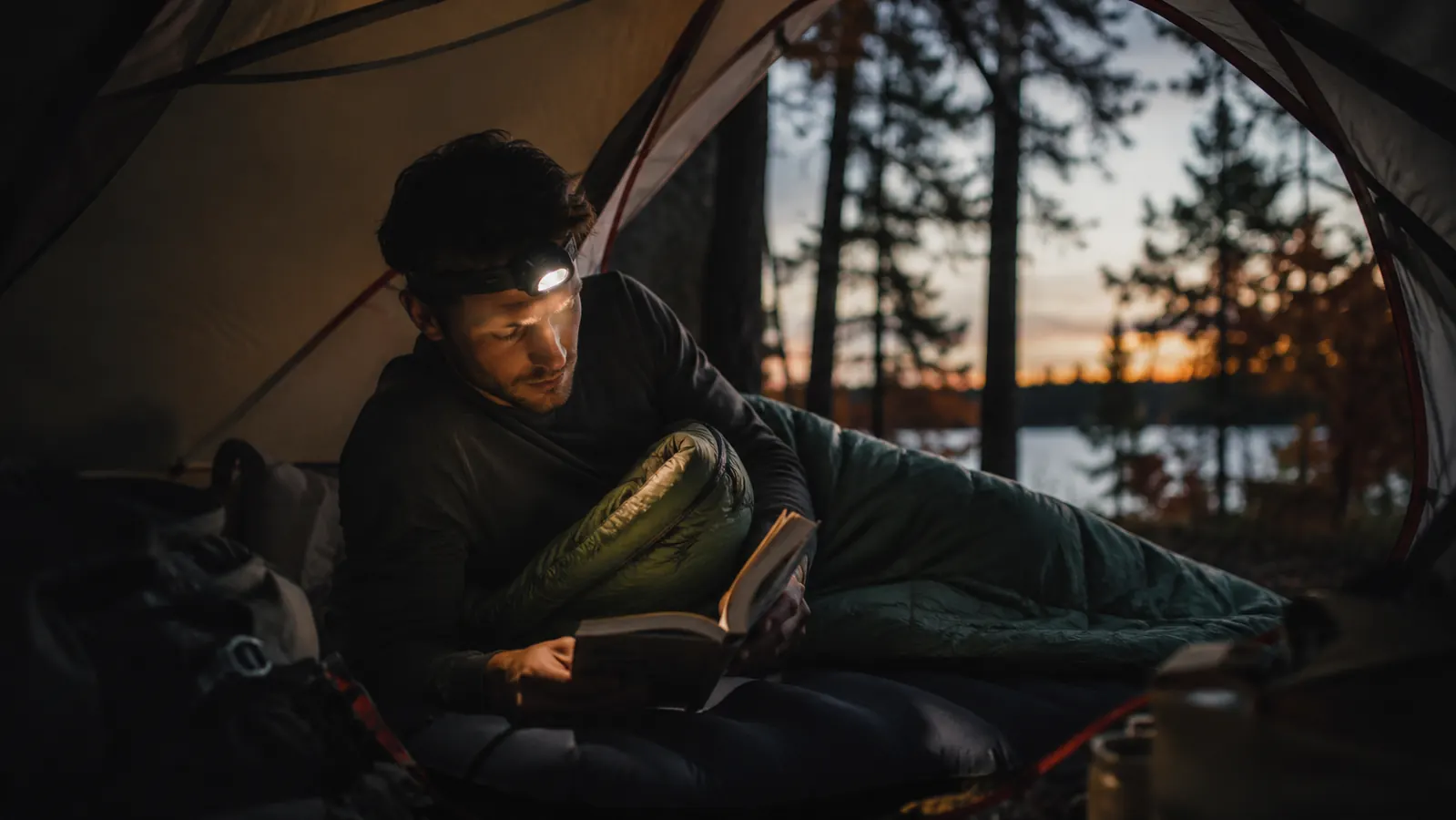
I picked up the MalloMe sleeping bag on a Tuesday night two years ago because my old bag had developed a smell no amount of airing out was going to fix. I needed something before a weekend deer camp and I didn't want to spend a lot on a bag for an October hunt where I might not even get cold. The MalloMe was budget-priced, rated to 32 degrees, and had well over 10,000 reviews. That was enough for me to click buy. What I didn't expect was to still be using it two years and a couple dozen nights later as one of my go-to bags for three-season camping.
I've used it on three-season family campouts, solo fishing overnights, turkey camp in April, and a late-October backpacking trip in the Appalachians where it dropped to 34 degrees overnight. It's been rained on, stuffed into the bottom of a 55L pack, washed five times, and slept in by a 185-pound guy who runs warm. This review covers all of it: what the bag does well, where it falls short, and the specific situations where it earns its spot versus the ones where you need to step up to something more serious.
The Quick Verdict
A genuinely capable three-season bag that earns its spot in any camper's kit, with real limits at its rated 32-degree floor that you need to know going in.
Amazon Check Today's Price →If 32-degree nights are on your calendar and your bag is older than your youngest kid, this is worth a look.
The MalloMe has more than 16,000 reviews and a 4.5-star average. It's a budget bag that actually performs at its rating when you use it right.
Amazon Check Today's Price on Amazon →How I've Used It Over Two Years
The first night out was a three-night deer camp in Central Virginia in mid-October 2024. Lows in the upper 30s, sleeping on a cot in a wall tent with a propane heater that I let die down around midnight. I wore a base layer, wool socks, and a beanie. Woke up comfortable both nights. That was the first data point and it set expectations in the right direction.
From there I took it on a spring turkey camp in April where overnight lows were in the low 40s, two summer family campouts where I mostly slept with it unzipped as a quilt because it was too warm to zip in, a solo trout fishing overnight on the New River in May, and that late-October backpacking trip where the temperature dropped faster than the forecast suggested. I've also lent it to my son, who's 16 and about 160 pounds, for scout camping in the Blue Ridge. Across all of that, the bag has never failed in a way that left someone cold and miserable, with one exception I'll get to in the temperature section.
Washing routine matters for any sleeping bag and this one handles it fine. I've run it through a front-loader on cold, gentle cycle five times total. Line dried it twice and used a large-capacity dryer on low with a couple of tennis balls the other three times. Fill loft has held up well through all of it. No clumping, no cold spots from compressed fill. For a budget synthetic bag, that's the single most reassuring thing I can tell you. A bag that loses its loft in the wash is a bag you're replacing in year one.
What's Inside the Bag and Why It Matters
The MalloMe uses a hollow-fiber synthetic fill, not down. For three-season camping in the eastern US, that's a feature, not a limitation. Synthetic fill keeps its loft when damp, dries faster than down, and costs a fraction of the price. If you camp in the Pacific Northwest where morning condensation is a fact of life, or if you're the kind of person who always has wet gear by day three of a river trip, synthetic fill is the right call at any price point. It's also hypoallergenic, which matters more than people admit when you're lending the bag to someone's kid.
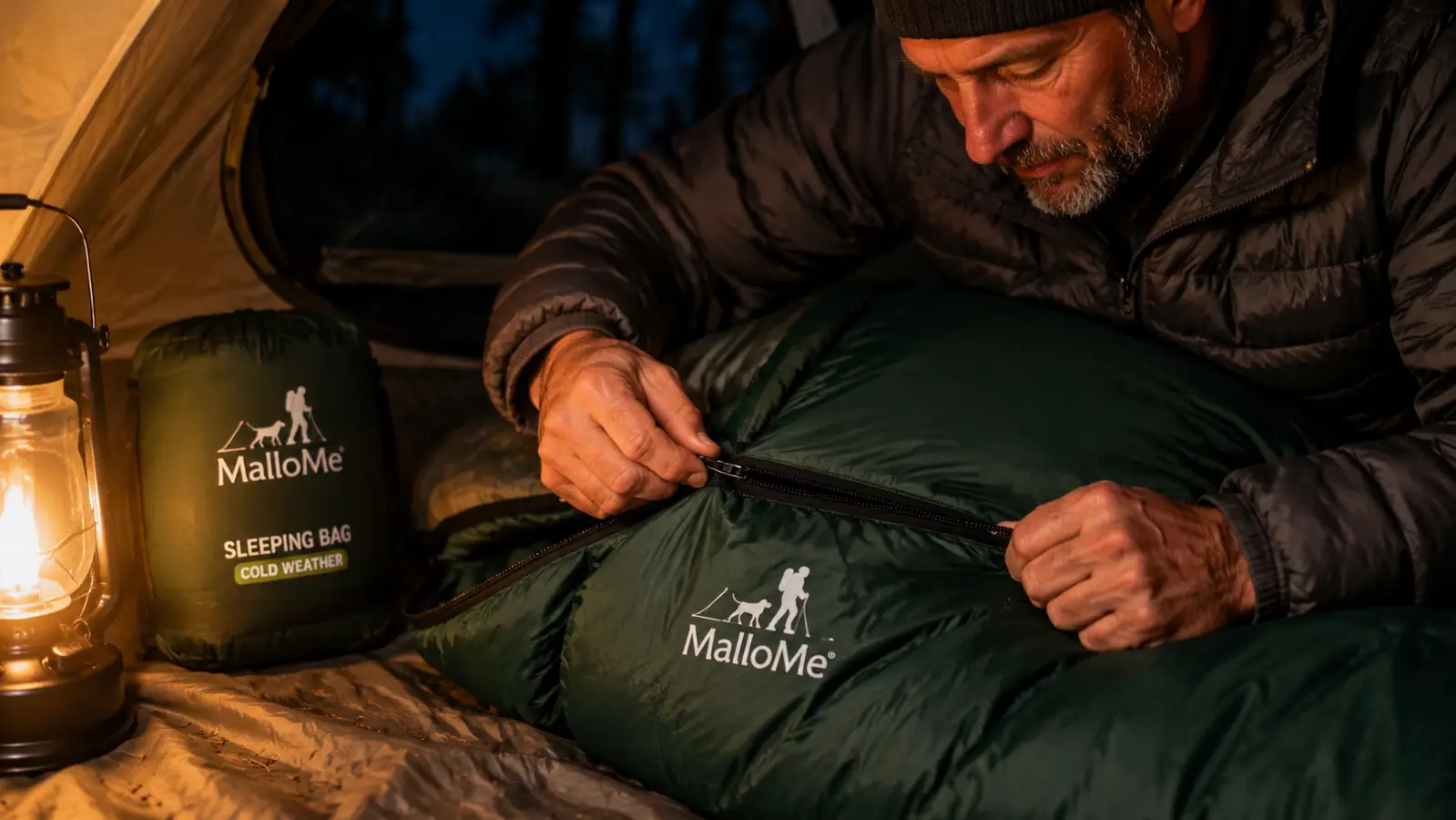
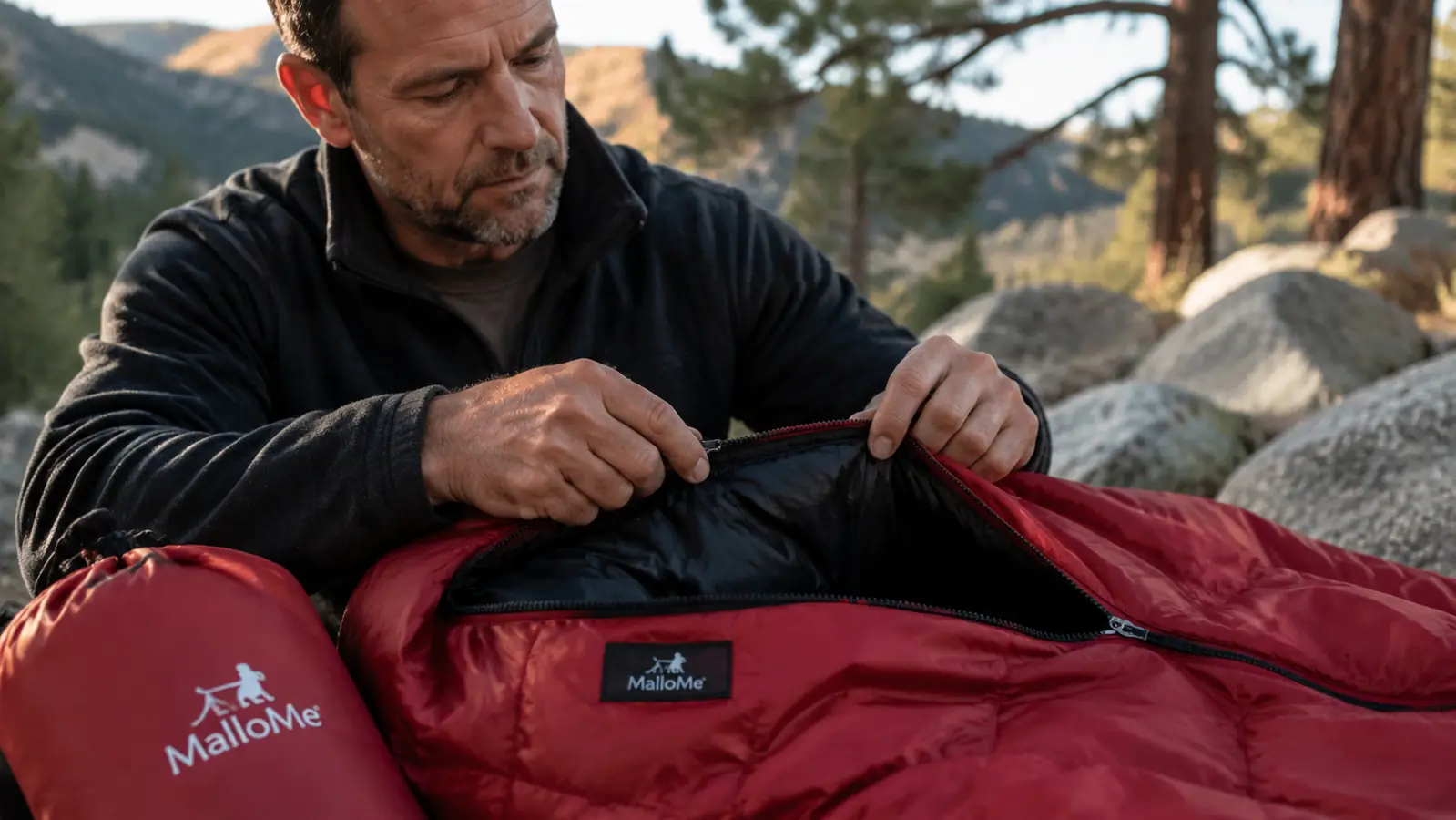
The outer shell is a ripstop polyester that's held up to two years of stuff-and-go without any visible wear on the seams or face fabric. The interior lining is soft and doesn't create that scratchy rustling noise that some cheap bags produce every time you shift position at 2am. The zipper is a two-way design, which lets you vent your feet when you run warm, and it's had zero snag issues across dozens of open-and-close cycles. That's more than I can say for some bags I've paid three times the price for.
The hood cinches down tightly with a single drawcord. On cold nights, the hood is the most important feature on the bag. If your head is cold, you're cold, no matter what the rest of you is wrapped in. The MalloMe hood cinches snug enough to leave just your face exposed. It's not the articulated, close-contoured hood on a high-end mountaineering bag, but it does the job for three-season car camping and weekend backpacking. A decent draft collar around the shoulder transition would make it better for pushing toward the low end of the temperature rating, but at this price point, you don't get one.
Temperature Rating: Honest Numbers
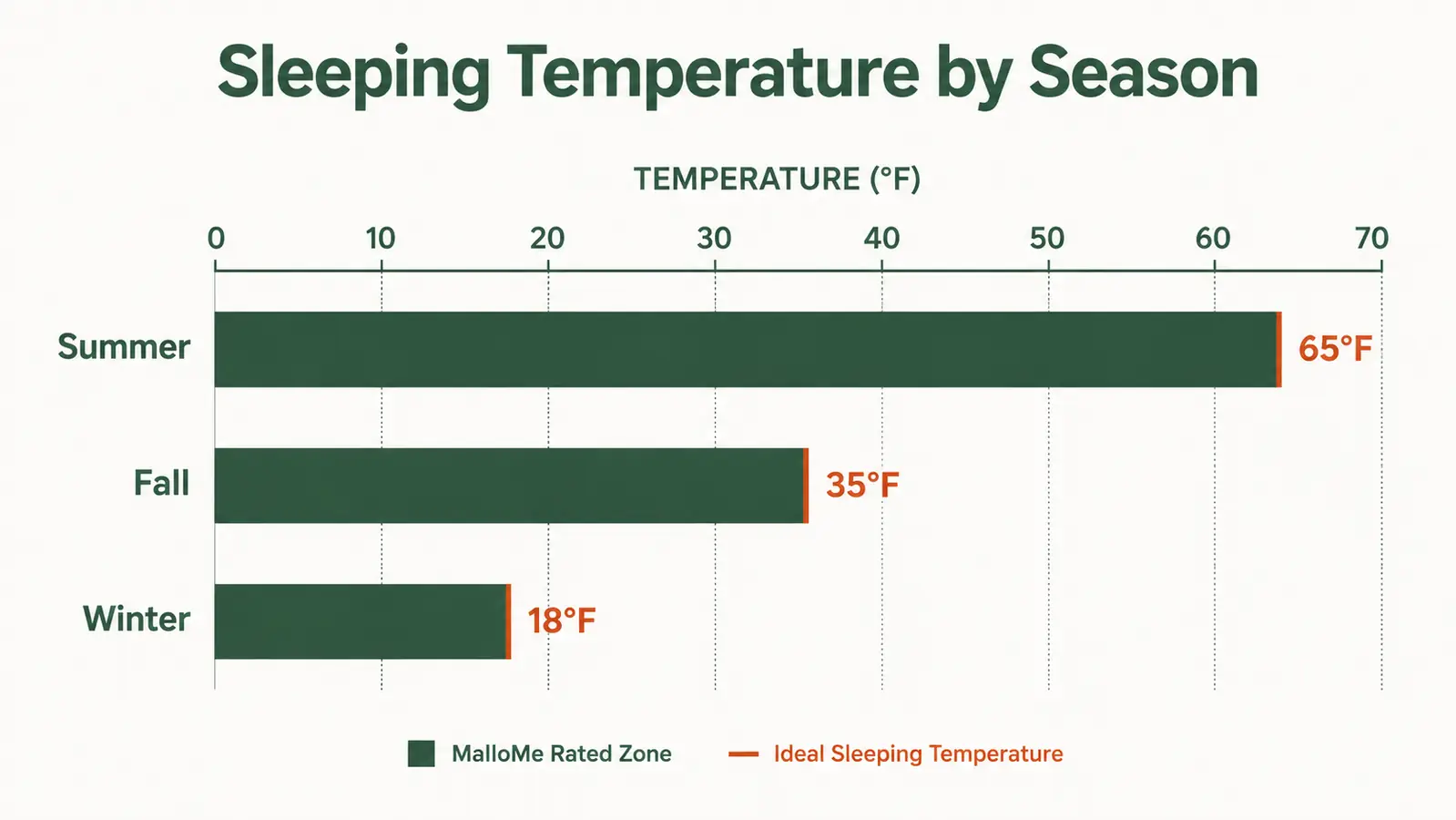
The bag is rated to 32 degrees Fahrenheit. That's a lower limit rating, not a comfort rating. If you've been around sleeping bags for any length of time, you know the difference. The lower limit is the threshold at which an average sleeper won't develop hypothermia. It is not the temperature at which you'll sleep comfortably in your underwear. The comfort rating on this bag is probably closer to 42-45 degrees for most people, which still covers a huge swath of three-season camping from spring turkey season through late-October hunts.
For me, a 185-pound guy who sleeps warm, the comfortable floor is around 38-40 degrees with a base layer and a wool beanie. Below that, I add a knit hat cinched in the hood, insulated pants, and I make sure I'm on a sleeping pad with an R-value of at least 3.0. The pad matters more than most people realize. Cold comes up from the ground faster than it comes in from the air. If you're on a thin foam pad in 35-degree weather, no sleeping bag rating will save you. For more on building a full sleep system that actually works in the cold, see our guide on how to stay warm camping in cold weather.
The one night that didn't go well was that late-October backpacking trip I mentioned. It dropped to 34 degrees and I had chosen not to bring a base layer bottom because I was trying to save pack weight. Bad call. I was cold from about 2am onward. That's not a bag failure. That's a user error, and the bag performed exactly where you'd expect it to at its rated lower limit. Know the rating for what it is and plan your layering system accordingly.
Cold comes up from the ground faster than it comes in from the air. If you're on a thin foam pad at 35 degrees, no sleeping bag rating will save you.
Pack Size and Weight for Backpacking
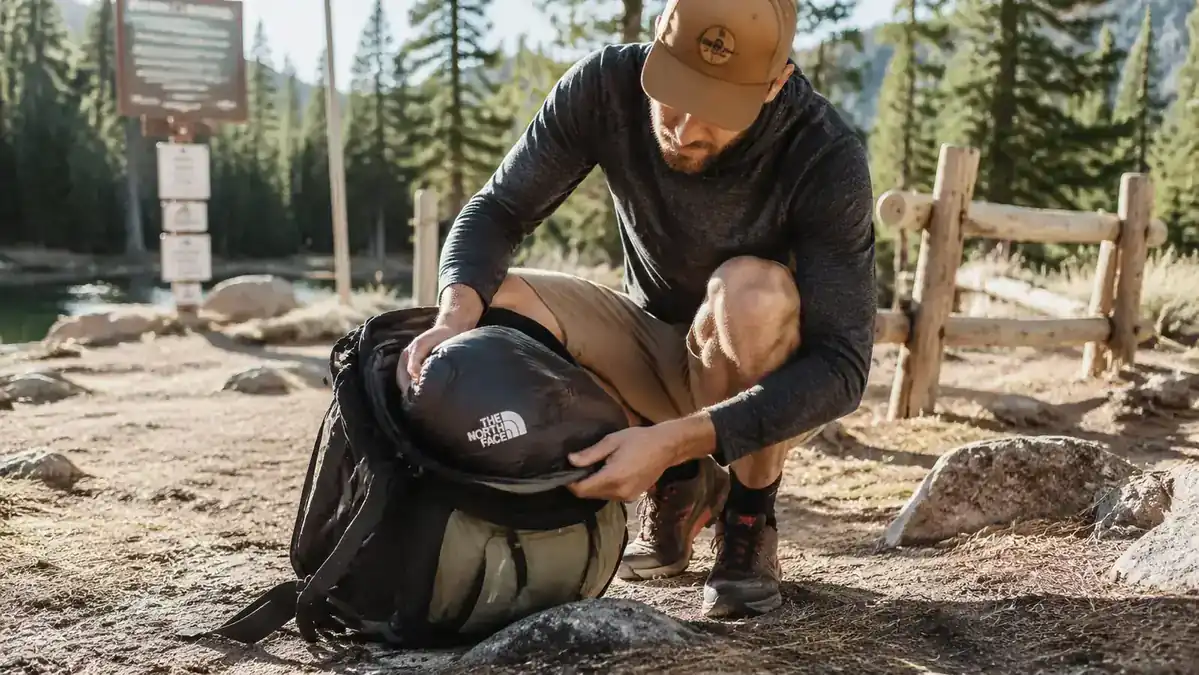
The MalloMe compresses into the included stuff sack and gets down to roughly the size of a large Nalgene bottle. It's not ultralight gear. The bag weighs in around 3 pounds depending on the size, and it takes up real space in a pack. For car camping and base camping, weight and packdown are irrelevant. You throw it in the truck and move on. For backpacking, you're making a conscious tradeoff. I've taken it on a couple of overnight trail trips and it fit in the bottom of my Teton 55L Scout pack with room for everything else I needed for two nights out. Not a day-hike-to-camp bag for most people, but workable for weekend backpacking trips where every single ounce isn't being counted.
If packdown is critical to you, meaning you're doing 10-plus mile days and counting ounces, you'll want to step up to a 650 or 800-fill-power down bag in the mid-to-upper price range. For everyone else, the MalloMe's pack size is a non-issue. It packs down, fits in a standard backpacking kit, and weighs about the same as a full water bottle. That's good enough for most of the camping most people actually do.
Durability After Two Years of Hard Use
Two years of regular use across different seasons and I have one small wear observation: the interior lining at the foot box has started to show a faint pilling from repeated entry and exit with wool socks. It's cosmetic, not structural. The seams at the zipper tape are holding clean, the fill hasn't shifted or clumped, and the drawcord on the hood still cinches and locks without slipping. For a bag at this price point, that durability track record is genuinely solid.
The shell doesn't have any meaningful DWR water-repellent treatment worth relying on. On the turkey camp trip, it rained sideways for about an hour while the tent fly was doing its job. The bag picked up some surface moisture near the foot box that was venting outside the tent door. It dried out within 20 minutes of being spread open in the morning sun. No loft loss, no musty odor. Synthetic fill wins again in that scenario. If you want to see how the MalloMe stacks up against the Teton Sports Celsius on durability, washability, and fill performance, we break it all down in the MalloMe vs Teton Sports Celsius comparison.
What I Liked
- Holds its rated 32-degree floor when layered correctly with base layers and a hat
- Synthetic fill keeps loft after five washes with no clumping or cold spots
- Two-way zipper runs smooth with zero snags after two years of regular use
- Hood cinches tight enough to seal warmth on cold nights
- Packs small enough to fit in a weekend backpacking kit
- More than 16,000 reviews backs up a real-world track record most bags at this price can't match
Where It Falls Short
- Comfort floor is closer to 38-42 degrees for average sleepers, not the rated 32
- No meaningful DWR coating means the shell absorbs surface moisture in wet conditions
- Pack weight around 3 lbs puts it in car-camping territory for gram-counting backpackers
- Interior lining shows cosmetic pilling at the foot box after extended use with wool socks
- No draft collar at the shoulder, which limits effective warmth at the lower end of its rating
Who This Is For
This bag is built for the camper who gets out 5-15 nights a year across spring, summer, and fall. If you're car camping with the family, base camping for a hunt, doing weekend backpacking trips where 35-40 degree nights are the floor, or you need a solid extra bag when the kids bring friends, the MalloMe covers all of it without making you feel like you compromised. It also works well as a guest bag or emergency kit bag stored in the truck that can handle a cold night without a lot of maintenance fuss. And if you're still deciding whether a mummy-cut bag is even the right shape for how you camp, the breakdown in our article on why mummy sleeping bags beat rectangular bags for camping covers the real-world differences clearly.
Who Should Skip It
Skip it if you're planning to camp regularly in temperatures below 28-30 degrees, if you need an ultralight bag for long-distance backpacking where every ounce is accounted for, or if you expect to sleep comfortably in just a t-shirt at 32 degrees with no extra layers. None of those use cases are what this bag is built for. At that level you're looking at a bag in the premium range with a certified EN comfort rating and either high-fill-power down or a premium synthetic fill. The MalloMe is a three-season budget bag. It knows exactly what it is and it does that job well.
Two years, 20-plus nights, five washes, and it still lofts clean. Hard to argue with that at this price.
The MalloMe sleeping bag is available in multiple sizes. Check the current price and in-stock status on Amazon before your next trip.
Amazon Check Today's Price on Amazon →